Foundational Correction by Gonstead Chiropractic: Kids Who Play Build Stronger Spines
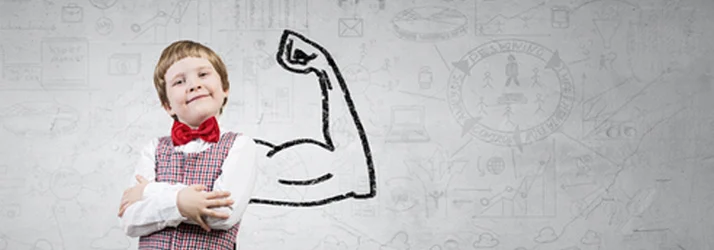
Kids are designed to move. Play isn’t just fun, it’s how the body learns balance, coordination, strength, and resilience.
At Cornerstone Community Chiropractic in Ewa Beach, Kapolei, Kaka'ako, and Kailua we see how consistent movement helps kids build the physical foundation that supports growth, posture, and performance.
Movement Shapes Structure
Kids who run, climb, jump, crawl, and roll develop stronger movement patterns than kids who sit for long periods. The body adapts to what it does most.
The issue isn’t that kids sit sometimes. The issue is when sitting becomes the dominant input.
When Play Drops, Pain Often Shows Up
It’s becoming more common to hear kids say: “My back hurts,” “My neck feels tight,” or “My shoulders feel sore.”
That doesn’t always come from injury. Sometimes it comes from:
- Long school days sitting
- Heavy backpacks
- Screen posture, head forward and shoulders rounded
- Repetitive sports strain without recovery
- Growth spurts where coordination temporarily lags behind height changes
Pain in kids should never be dismissed as “normal.” It’s often a signal that the body is compensating.
Common Signs Your Child’s Spine Is Compensating
Even without a big injury, we often see:
- Complaints of back pain or neck tension after school
- Headaches, especially after screen time
- One shoulder higher or a head that sits forward
- Limited flexibility on one side
- Frequent falls, clumsiness, or trouble with balance
- Recurring strains during sports
- Fatigue that seems disproportionate to activity
X-Rays Can Help Identify Structural Stress
When clinically appropriate, X-rays can help us see what’s happening beneath the surface, especially when pain is recurring or posture changes are obvious. We may look for:
- Pelvic imbalance that changes how a child moves
- Loss of normal spinal curves in the neck and low back
- Rotation or structural patterns that drive compensation
- Areas that are restricted and not moving well
This matters because kids often compensate quietly until pain becomes loud.
The Gonstead Difference: Specific Care for Growing Bodies
General stretching or “cracking” isn’t the same as correcting a specific problem. If a segment is restricted, the body compensates above and below it, especially during sports and play.
The Gonstead Method emphasizes:
- Precise analysis
- Specific correction at the right level
- Structural balance that improves mechanics
- Reducing compensation patterns that can lead to repeated pain
The Best “Exercise Program” for Kids Is More Play
You don’t need a perfect routine. You need consistent movement. Helpful play-based inputs include:
- Tag, running, and sprinting
- Climbing, playground and safe structures
- Jumping and hopping games
- Throwing, catching, and kicking
- Balance games, single-leg stands and obstacle courses
- Floor time for younger kids, crawling, rolling, animal walks
Protect Play With Smart Recovery
Kids who play hard also need good recovery habits:
- Hydration
- Sleep consistency
- Backpack fit and weight management
- Breaks from screens with posture resets
- Addressing pain early instead of waiting
Play Builds Resilience, But Structure Still Matters
Play helps build strong bodies, but if a child’s foundation is imbalanced, they may keep compensating, even with lots of activity.
At Cornerstone Community Chiropractic, we help kids and families address structural issues early so kids can move better, play more confidently, and avoid recurring pain patterns as they grow.

Kailua